

Acute Kidney Injury
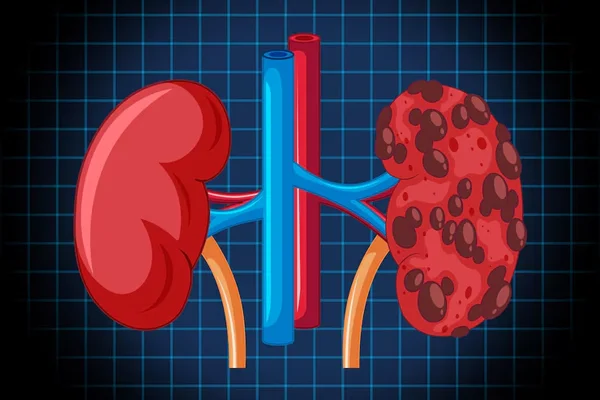
Acute Kidney Injury Treatment in Rajinder Nagar
Acute kidney injury (AKI) is a condition in which the kidneys suddenly lose some or all of their ability to filter waste products and maintain the body's fluid and electrolyte balance. It can develop within hours or days and may occur due to dehydration, severe infections, reduced blood flow to the kidneys, urinary obstruction or certain medications. Early recognition and timely medical care are essential to prevent complications and support kidney recovery.
If you are looking for Acute Kidney Injury Treatment in Rajinder Nagar, Dr. Vishwas Gulati provides specialist consultation for kidney-related conditions, including the evaluation and management of acute changes in kidney function. Treatment depends on the underlying cause, severity of kidney injury, associated medical conditions and the patient's overall health.
What Is Acute Kidney Injury?
Acute kidney injury occurs when the kidneys are unable to remove waste products from the blood effectively or maintain the body's normal fluid and mineral balance. It may cause a rise in blood creatinine levels, reduced urine output or other abnormalities in kidney function tests.
Unlike chronic kidney disease, which generally develops over months or years, acute kidney injury develops rapidly. Some patients recover completely with appropriate treatment, while others may experience persistent kidney damage or require ongoing monitoring.
AKI can affect people of all ages, but the risk is higher among older adults and individuals with diabetes, hypertension, pre-existing kidney disease, heart disease or severe infections.
Common Causes of Acute Kidney Injury
Identifying the cause of kidney injury is an important part of treatment. Acute kidney injury is commonly classified into three categories.
1. Reduced Blood Flow to the Kidneys
The kidneys require an adequate blood supply to function properly. Conditions that reduce blood flow may lead to acute kidney injury.
Common causes include:
· Severe dehydration due to vomiting, diarrhoea or inadequate fluid intake
· Significant blood loss
· Very low blood pressure
· Severe infections or sepsis
· Heart conditions that reduce effective blood circulation
2. Direct Kidney Damage
Certain conditions can directly damage kidney tissue and affect its filtering ability.
Possible causes include:
· Acute inflammation of kidney structures
· Severe infections affecting the kidneys
· Reactions to certain medicines
· Exposure to some toxins
· Complications associated with serious systemic illnesses
3. Urinary Tract Obstruction
A blockage that prevents urine from leaving the kidneys normally can cause pressure to build up and impair kidney function.
Potential causes include kidney stones, an enlarged prostate, urinary tract obstruction and other structural abnormalities. Prompt evaluation is important because prolonged obstruction can result in lasting kidney damage.
Symptoms of Acute Kidney Injury
Acute kidney injury does not always cause noticeable symptoms in its early stages. In some cases, it is discovered during routine blood tests or hospital investigations.
Possible symptoms include:
· Reduced urine output or passing very little urine
· Swelling of the feet, ankles or legs
· Unusual tiredness or weakness
· Nausea, vomiting or loss of appetite
· Breathlessness due to fluid accumulation
· Difficulty concentrating or confusion
· Persistent changes in blood pressure
Severe kidney injury may cause dangerous electrolyte disturbances, fluid overload or complications affecting other organs.
Seek urgent medical attention if urine output drops significantly, breathing becomes difficult, confusion develops or there is rapidly increasing swelling. These symptoms may indicate a serious medical problem.
Diagnosis of Acute Kidney Injury
Accurate diagnosis helps determine the severity of kidney injury and guides appropriate treatment. Dr. Vishwas Gulati can assess symptoms, medical history, medication use and available investigation reports during a kidney consultation.
Blood Tests
Serum creatinine and blood urea measurements help assess kidney function. Comparing current results with previous reports can help establish whether kidney function has deteriorated suddenly.
Urine Tests
Urinalysis may identify blood, protein, infection or other abnormalities. Additional urine investigations may be recommended depending on the suspected cause.
Electrolyte Assessment
Blood tests measuring potassium, sodium, bicarbonate and other electrolytes help identify imbalances that may require prompt treatment.
Ultrasound and Other Imaging
Ultrasound of the kidneys and urinary tract may be used to look for obstruction, structural abnormalities or changes in kidney appearance. Additional imaging may be considered when clinically indicated.
Further Investigations
If an inflammatory kidney disease or another specific condition is suspected, additional blood tests or, in selected cases, a kidney biopsy may be necessary.
Acute Kidney Injury Treatment in Rajinder Nagar
The treatment of acute kidney injury focuses on correcting the underlying cause, supporting kidney function and preventing complications. There is no single treatment suitable for every patient.
1. Correcting Dehydration and Low Blood Pressure
When dehydration or reduced circulation is responsible for kidney injury, carefully administered intravenous fluids may be required. Fluid treatment must be individualized because excessive fluid can worsen swelling or breathing difficulties, particularly in patients with heart or kidney disease.
2. Reviewing Medications
Certain medicines can contribute to kidney injury, especially during dehydration or severe illness. A doctor may review prescribed medicines, non-prescription painkillers, supplements and other substances that could affect kidney function.
Patients should not independently stop essential medicines or change prescribed doses without medical advice.
3. Treating Infection or Inflammation
If an infection is responsible, appropriate antimicrobial treatment may be required. In selected cases of inflammatory kidney disease, specialist-directed treatment may be considered after the underlying condition is established.
4. Relieving Urinary Obstruction
When a blockage is causing kidney injury, treatment may involve relieving the obstruction. Depending on its location and cause, this could require catheterization or a urological procedure.
5. Managing Electrolyte and Fluid Imbalances
Kidney injury can cause excessive fluid retention and abnormal potassium or acid levels. Treatment may include fluid management, dietary adjustments, prescribed medication or hospital monitoring according to the severity of the problem.
6. Dialysis When Necessary
Dialysis may be needed when acute kidney injury causes severe complications that cannot be adequately controlled with other treatments. These may include dangerous electrolyte disturbances, severe metabolic acidosis, fluid overload affecting breathing or complications from accumulated waste products.
Not every patient with acute kidney injury requires dialysis. The decision depends on the patient's overall condition, laboratory results and response to treatment.
Recovery and Follow-Up After Acute Kidney Injury
Recovery varies according to the cause and severity of kidney injury, the patient's general health and how quickly treatment begins. Some patients regain kidney function within days, while others need weeks or longer to recover.
Follow-up may include repeat creatinine and electrolyte tests, urine investigations, blood pressure monitoring and medication review. Patients who have experienced significant AKI may require continued monitoring because they have an increased risk of developing or progressing to chronic kidney disease.
Adequate hydration, when medically appropriate, avoiding unnecessary use of potentially harmful medicines and controlling conditions such as diabetes and hypertension can help support kidney health.
Why Consult Dr. Vishwas Gulati in Rajinder Nagar?
Dr. Vishwas Gulati is a consultant in nephrology and renal transplantation at BLK-Max Super Speciality Hospital, Delhi, with over 17 years of experience.
Consultation for acute kidney injury may help patients understand their test results, identify possible causes and determine the appropriate next steps in treatment. A specialist assessment also helps establish whether additional investigations, hospital-based care or dialysis evaluation may be necessary.
Patients with sudden changes in kidney function should seek timely medical evaluation rather than waiting for symptoms to become severe.
Frequently Asked Questions
1. What is the best treatment for acute kidney injury?
Treatment depends on the cause. It may include carefully managed fluids, medication review, treatment of infection, relief of urinary obstruction and correction of electrolyte imbalances. Dialysis is required in selected severe cases.
2. Can acute kidney injury be reversed?
Yes, acute kidney injury can be reversible, particularly when its cause is identified and treated promptly. However, recovery varies, and some patients may develop lasting kidney damage.
3. Is acute kidney injury a medical emergency?
It can be. Severe reduction in urine output, breathing difficulty, confusion, significant fluid retention or dangerous electrolyte abnormalities require urgent medical assessment.
4. Does acute kidney injury always require dialysis?
No. Many patients recover without dialysis. Dialysis is considered when serious complications develop or when kidney function is insufficient to maintain safe fluid, electrolyte and waste-product levels.
5. How long does it take to recover from acute kidney injury?
Recovery may take several days to weeks, although more severe cases can take longer. Some patients do not regain their previous level of kidney function and require continued follow-up.
6. When should I consult a nephrologist in Rajinder Nagar?
Consult a nephrologist if blood tests show a sudden rise in creatinine, urine output decreases significantly or you develop unexplained swelling or other symptoms suggesting kidney dysfunction. Severe symptoms require emergency care.
Conclusion
Acute kidney injury requires timely diagnosis, careful assessment and treatment directed at its underlying cause. Early intervention can help prevent complications and improve the chances of kidney recovery. For Acute Kidney Injury Treatment in Rajinder Nagar, consult Dr. Vishwas Gulati for specialist evaluation and guidance on appropriate kidney care.


