

Chronic Kidney Disease
Chronic Kidney Disease in Rajinder Nagar
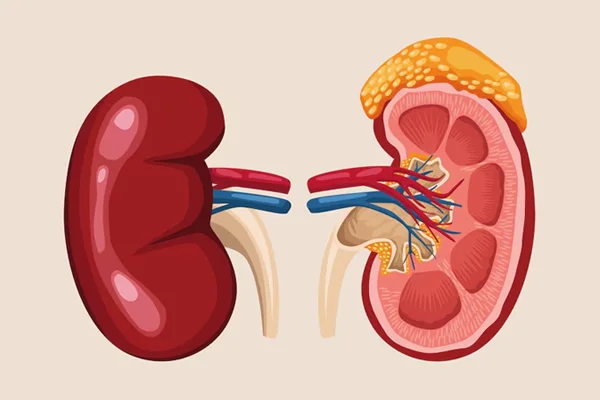
Chronic kidney disease (CKD) is a long-term condition in which the kidneys gradually lose their ability to filter waste products and maintain the body's fluid, electrolyte and mineral balance. It may develop over months or years and can progress silently, with few noticeable symptoms during the early stages. Early diagnosis, regular monitoring and appropriate treatment can help slow disease progression and reduce the risk of complications.
If you are looking for Chronic Kidney Disease in Rajinder Nagar, Dr. Vishwas Gulati offers specialist consultation for kidney-related conditions, including the assessment and management of chronic kidney problems. Treatment is tailored to the underlying cause, stage of kidney disease, associated medical conditions and individual health requirements.
What Is Chronic Kidney Disease?
Chronic kidney disease refers to abnormalities in kidney structure or function that persist for at least three months and have implications for health. It may involve a persistently reduced estimated glomerular filtration rate (eGFR), abnormal urine protein levels or other evidence of kidney damage.
Healthy kidneys remove waste products, regulate fluid levels, balance electrolytes, support blood pressure regulation and contribute to red blood cell production and bone health. When kidney function declines, these processes may become impaired.
CKD is generally classified into stages based on eGFR, alongside an assessment of albumin in the urine. Understanding the stage helps doctors estimate the risk of progression and determine an appropriate monitoring and treatment plan.
Common Causes of Chronic Kidney Disease
Identifying the underlying cause of CKD is essential for developing an effective management strategy.
1. Diabetes
Diabetes is one of the leading causes of chronic kidney disease. Persistently elevated blood glucose can damage the small blood vessels in the kidneys, reducing their filtering efficiency over time.
2. High Blood Pressure
Uncontrolled hypertension places additional stress on kidney blood vessels. Long-term damage can reduce kidney function, while declining kidney function may also make blood pressure more difficult to control.
3. Glomerular Diseases
The glomeruli are tiny filtering structures inside the kidneys. Conditions that cause inflammation or other damage to these structures may result in protein leakage into the urine, blood in the urine and progressive kidney dysfunction.
4. Inherited and Structural Conditions
Some people develop kidney disease because of inherited disorders, congenital abnormalities or structural problems affecting the urinary system.
5. Recurrent Kidney Injury
Repeated episodes of acute kidney injury may increase the risk of developing chronic kidney disease, particularly in people with existing kidney problems or other significant medical conditions.
6. Long-Term Medication Exposure
Certain medications can affect kidney function, especially when used unnecessarily, at inappropriate doses or in people with existing kidney disease. Medical supervision is important when using medicines that may affect the kidneys.
Symptoms of Chronic Kidney Disease
Early-stage CKD often causes no obvious symptoms. As kidney function declines, patients may begin to experience changes in their general health.
Common symptoms include:
- Persistent tiredness and reduced energy
- Swelling of the feet, ankles or around the eyes
- Changes in urination frequency or appearance
- Foamy urine, which may indicate protein leakage
- Reduced appetite, nausea or vomiting
- Muscle cramps or itching
- Difficulty concentrating
- Breathlessness due to fluid accumulation or anaemia
- High blood pressure that is difficult to control
These symptoms can also occur with other conditions. Medical evaluation and appropriate investigations are necessary to determine whether kidney disease is responsible.
Diagnosis of Chronic Kidney Disease
Early diagnosis helps establish the extent of kidney damage and identify factors that may contribute to disease progression.
Blood Tests
Serum creatinine and estimated glomerular filtration rate are used to assess kidney function. Comparing results over time helps determine whether kidney function is stable or declining.
Urine Albumin Testing
The urine albumin-to-creatinine ratio (UACR) helps identify abnormal albumin leakage. Persistent albuminuria may indicate kidney damage even when eGFR remains within the normal range.
Blood Pressure Assessment
Blood pressure measurement is important because hypertension can contribute to kidney damage and may also develop as a consequence of CKD.
Kidney Ultrasound
Ultrasound may be recommended to evaluate kidney size, structural abnormalities, cysts or possible urinary obstruction.
Additional Investigations
Depending on the suspected cause, a nephrologist may recommend blood tests for immune-related conditions, electrolyte measurements, urine microscopy or a kidney biopsy.
The choice of investigations depends on the patient's clinical history, symptoms and initial test results.
Chronic Kidney Disease Treatment in Rajinder Nagar
There is no single treatment that suits every patient with CKD. Management focuses on treating the underlying cause, slowing disease progression, reducing cardiovascular risk and addressing complications.
1. Controlling Blood Pressure
Appropriate blood pressure management can help protect kidney function. Depending on the patient's condition, a doctor may prescribe medicines such as ACE inhibitors or angiotensin receptor blockers, particularly when albuminuria is present.
Regular monitoring of blood pressure, potassium and kidney function is important when using these medicines.
2. Managing Diabetes
Patients with diabetes may benefit from individualized glucose management, regular kidney screening and medicines that provide kidney protection when clinically appropriate. Treatment decisions depend on kidney function, other medical conditions and potential contraindications.
3. Dietary and Lifestyle Changes
A kidney-friendly diet may help control blood pressure, fluid balance and electrolyte levels. Recommendations regarding salt, protein, potassium and phosphorus should be individualized according to the stage of CKD and laboratory results.
Patients should avoid restrictive diets or excessive fluid intake without professional guidance.
4. Managing Anaemia and Mineral Imbalances
CKD may affect red blood cell production and the body's regulation of calcium, phosphorus and vitamin D. Depending on test results, treatment may include iron supplementation, selected medicines or other measures prescribed by the treating doctor.
5. Reviewing Medications
Medication review helps identify drugs that may worsen kidney function or require dose adjustment. Patients should inform their doctor about all prescription medicines, painkillers, herbal products and supplements they use.
6. Monitoring Disease Progression
Regular monitoring of eGFR, urine albumin, blood pressure and electrolytes helps assess the effectiveness of treatment. Follow-up frequency depends on the stage of CKD, the rate of progression and associated health conditions.
7. Planning Advanced Kidney Care
Patients with advanced CKD may require education and preparation for kidney replacement therapy. Depending on their clinical condition and preferences, options may include haemodialysis, peritoneal dialysis or kidney transplantation.
Not every person with CKD will progress to kidney failure. Appropriate management and regular follow-up can help many patients maintain kidney function for years.
Can Chronic Kidney Disease Be Prevented?
Not every case of CKD can be prevented, but certain measures can reduce risk and help protect existing kidney function.
- Keep blood pressure within the target recommended by your doctor.
- Manage blood glucose if you have diabetes.
- Attend recommended kidney function and urine screening tests.
- Avoid unnecessary use of potentially harmful medications.
- Maintain a balanced diet and an appropriate level of physical activity.
- Avoid smoking and seek medical guidance regarding cardiovascular risk.
- Follow prescribed treatment and attend regular follow-up appointments.
People with diabetes, hypertension, cardiovascular disease or a family history of kidney problems may benefit from discussing kidney screening with their healthcare provider.
Why Consult Dr. Vishwas Gulati in Rajinder Nagar?
Dr. Vishwas Gulati is a Consultant in Nephrology and Renal Transplantation at BLK-Max Super Speciality Hospital, Delhi, with over 17 years of experience.
Specialist consultation can help patients understand kidney function reports, identify potential causes of chronic kidney disease and develop an appropriate long-term management plan. Assessment may include reviewing medications, monitoring disease progression, managing associated conditions and discussing advanced treatment options when necessary.
For patients living with CKD, consistent follow-up and individualized care are important parts of maintaining health and reducing the risk of complications.
Frequently Asked Questions
1. What is the main cause of chronic kidney disease?
Diabetes and high blood pressure are two of the most common causes. Other causes include glomerular diseases, inherited disorders, structural abnormalities and previous kidney injury.
2. Can chronic kidney disease be cured?
Most established cases of CKD cannot be completely reversed. However, treating the underlying cause and managing risk factors may slow progression and help preserve kidney function.
3. What are the early symptoms of chronic kidney disease?
Early CKD often has no symptoms. Some patients may develop high blood pressure or abnormal urine protein levels before noticing any physical changes.
4. Which tests are used to diagnose CKD?
Common tests include serum creatinine, eGFR, urine albumin-to-creatinine ratio, blood pressure measurement and kidney ultrasound when indicated.
5. Does everyone with chronic kidney disease need dialysis?
No. Dialysis is generally considered when kidney failure causes complications that cannot be adequately managed with other treatments. Many people with CKD never require dialysis.
6. When should I consult a nephrologist in Rajinder Nagar?
Consider a nephrology consultation if you have persistently abnormal kidney function tests, protein in the urine, unexplained swelling, difficult-to-control blood pressure or a condition that increases your risk of kidney disease.
Conclusion
Chronic kidney disease requires early identification, ongoing monitoring and treatment tailored to its cause and stage. Managing blood pressure, diabetes, medication use and associated complications can help protect kidney function and improve long-term outcomes. For Chronic Kidney Disease in Rajinder Nagar, consult Dr. Vishwas Gulati for specialist assessment and guidance on appropriate kidney care.


