

Glomerular Disease
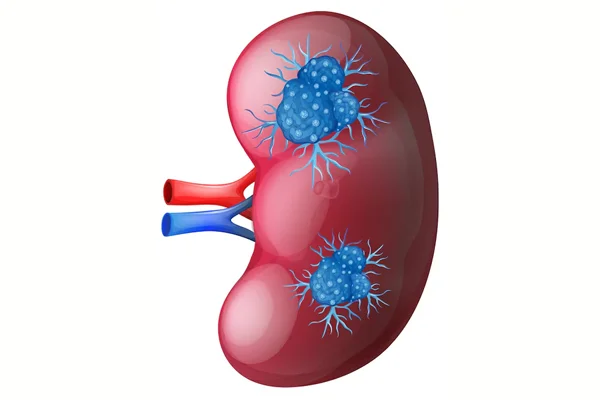
Glomerular Disease in Rajinder Nagar
Glomerular disease refers to a group of kidney conditions that affect the glomeruli, the tiny filtering units responsible for removing waste products and excess fluid from the blood. These conditions may cause blood or protein to leak into the urine and, in some cases, lead to swelling, high blood pressure and declining kidney function. Early diagnosis and appropriate treatment are important for protecting kidney health and reducing the risk of long-term complications.
If you are looking for Glomerular Disease in Rajinder Nagar, Dr. Vishwas Gulati offers specialist consultation for kidney-related conditions, including the evaluation and management of diseases affecting the kidney's filtering structures. Treatment depends on the specific diagnosis, severity of inflammation, kidney function and the patient's overall health.
What Is Glomerular Disease?
The glomeruli are clusters of tiny blood vessels located inside the kidneys. They filter the blood while retaining essential proteins and blood cells within the circulation. When these structures become inflamed or damaged, their filtering ability may be affected.
Glomerular disease can develop suddenly or progress gradually. Some forms are associated with infections, autoimmune disorders or other systemic diseases, while others may occur primarily within the kidneys.
Depending on the condition, glomerular disease may cause haematuria, which means blood in the urine, or proteinuria, which means excessive protein in the urine. Persistent damage can reduce the kidneys' ability to filter waste and may eventually lead to chronic kidney disease.
Types of Glomerular Disease
Several conditions can affect the glomeruli. Identifying the specific type is essential because treatment and prognosis vary considerably.
1. Glomerulonephritis
Glomerulonephritis refers to inflammation of the glomeruli. It may develop after certain infections or as part of an immune-mediated condition. Symptoms can include dark or reddish urine, swelling, elevated blood pressure and reduced kidney function.
2. IgA Nephropathy
IgA nephropathy occurs when immunoglobulin A deposits accumulate in the glomeruli and trigger inflammation. Some patients experience visible blood in the urine, particularly around respiratory infections, while others have only microscopic blood or protein detected during testing.
3. Nephrotic Syndrome
Nephrotic syndrome is characterized by substantial protein loss through the urine, low blood albumin levels and swelling. It can result from several underlying kidney diseases and requires evaluation to identify the cause.
4. Lupus Nephritis
Lupus nephritis is kidney inflammation associated with systemic lupus erythematosus, an autoimmune disease. It may cause proteinuria, blood in the urine, high blood pressure or declining kidney function.
5. Other Immune-Mediated Kidney Conditions
Conditions such as vasculitis and certain antibody-associated diseases can cause significant glomerular inflammation. Some forms progress rapidly and require urgent specialist assessment and treatment.
Common Symptoms of Glomerular Disease
Symptoms vary according to the underlying condition and the degree of kidney involvement. Some patients have no noticeable symptoms during the early stages.
Common warning signs include:
· Blood in the urine, making it appear pink, red, brown or tea-coloured
· Foamy urine due to increased protein levels
· Swelling around the eyes, feet, ankles or abdomen
· High blood pressure
· Reduced urine output
· Unexplained tiredness or weakness
· Weight gain associated with fluid retention
· Nausea or reduced appetite in more advanced disease
These symptoms are not specific to glomerular disease. Medical evaluation is necessary to determine whether the kidneys are affected and to identify the underlying cause.
Sudden reduction in urine output, rapidly increasing swelling or breathlessness requires urgent medical attention.
Causes and Risk Factors
Glomerular disease may result from abnormalities within the kidneys or from conditions affecting the immune system and other organs.
Possible causes and associated factors include:
· Autoimmune diseases such as lupus
· Certain bacterial or viral infections
· Immune system abnormalities
· Inherited kidney disorders
· Vasculitis and other inflammatory diseases
· Diabetes-related kidney damage
· Some medicines or systemic illnesses
In some cases, the precise cause remains uncertain. A detailed medical history, laboratory investigations and specialist assessment help determine which conditions should be considered.
Diagnosis of Glomerular Disease
Accurate diagnosis is essential because different glomerular conditions may require substantially different treatment approaches.
Blood Tests
Blood tests commonly include serum creatinine, estimated glomerular filtration rate, electrolytes and serum albumin. Depending on the suspected condition, additional tests may evaluate immune activity or markers associated with specific diseases.
Urine Analysis
Urinalysis can identify blood, protein and other abnormalities. Urine microscopy may provide further information about the type of kidney involvement.
A urine albumin-to-creatinine ratio or protein-to-creatinine ratio may be recommended to measure protein leakage.
Blood Pressure Assessment
Glomerular disease can contribute to hypertension, while elevated blood pressure can further damage the kidneys. Regular measurements help guide treatment and monitoring.
Kidney Ultrasound
Ultrasound may be used to assess kidney size, structure and possible urinary tract abnormalities. It does not independently identify every type of glomerular disease but can provide useful supporting information.
Kidney Biopsy
A kidney biopsy may be recommended when the diagnosis remains uncertain or when the result is likely to change treatment. A small tissue sample is examined to identify the pattern and severity of kidney damage.
Not every patient requires a biopsy. The decision depends on clinical findings, laboratory results, risks and the suspected disease.
Glomerular Disease Treatment in Rajinder Nagar
Treatment is individualized according to the underlying diagnosis, the severity of kidney damage and the presence of complications. The main objectives are to control inflammation when appropriate, reduce protein leakage, manage blood pressure and preserve kidney function.
1. Treating the Underlying Cause
When glomerular disease is associated with an infection or systemic illness, treatment focuses on addressing the responsible condition. The appropriate approach depends on the confirmed diagnosis and the patient's medical history.
2. Controlling Blood Pressure
Blood pressure management is an important part of kidney protection. Medicines such as ACE inhibitors or angiotensin receptor blockers may be prescribed in suitable patients, particularly when proteinuria is present.
Kidney function and potassium levels should be monitored when these medicines are used.
3. Reducing Protein Leakage
Persistent proteinuria can be associated with progressive kidney damage. Treatment may include blood pressure management, selected kidney-protective medicines and monitoring of urine protein levels.
4. Immunosuppressive Treatment
Some forms of glomerular disease are driven by abnormal immune activity. Depending on the specific diagnosis and disease severity, a specialist may consider corticosteroids or other immunosuppressive medicines.
These treatments are not appropriate for every type of glomerular disease and require careful assessment because they can increase the risk of infection and other adverse effects.
5. Managing Swelling and Fluid Retention
Patients with significant swelling may require dietary sodium restriction and prescribed diuretics. Fluid recommendations depend on kidney function, blood pressure, electrolyte levels and the degree of fluid retention.
6. Monitoring Kidney Function
Regular blood and urine tests help determine whether treatment is effective and whether kidney function is stable. Monitoring may include creatinine, eGFR, urine protein, blood pressure and relevant disease-specific markers.
7. Managing Advanced Kidney Disease
If glomerular disease progresses to advanced kidney failure, additional treatment planning may be necessary. Depending on the patient's condition, options can include dialysis or kidney transplantation.
Early specialist care can help identify potentially treatable conditions and support appropriate long-term planning.
Living With Glomerular Disease
Lifestyle measures can support medical treatment but cannot replace diagnosis-specific care.
Patients may benefit from:
· Following a balanced diet with individualized sodium and protein recommendations
· Monitoring blood pressure as advised
· Taking prescribed medicines consistently
· Avoiding unnecessary use of medicines that may harm the kidneys
· Attending scheduled blood and urine tests
· Informing the doctor about new symptoms or medication changes
Dietary restrictions should be based on individual laboratory results and kidney function rather than applying the same plan to every patient.
Why Consult Dr. Vishwas Gulati in Rajinder Nagar?
Dr. Vishwas Gulati is a Consultant in Nephrology and Renal Transplantation at BLK-Max Super Speciality Hospital, Delhi, with over 17 years of experience.
A nephrology consultation can help evaluate abnormal urine findings, unexplained swelling, changes in kidney function and suspected glomerular disorders. Specialist assessment may include reviewing previous reports, identifying the need for additional investigations and developing an appropriate treatment and follow-up plan.
For patients with established glomerular disease, ongoing monitoring is important to assess treatment response and reduce the risk of further kidney damage.
Frequently Asked Questions
1. What is the most common symptom of glomerular disease?
Common symptoms include blood in the urine, foamy urine, swelling and high blood pressure. However, some patients have no symptoms and are diagnosed through routine blood or urine tests.
2. Is glomerular disease curable?
Some forms can resolve or be controlled effectively, while others require long-term treatment. The outlook depends on the underlying disease, severity of kidney damage and response to treatment.
3. How is glomerular disease diagnosed?
Diagnosis may involve blood tests, urine analysis, kidney function assessment, ultrasound and, in selected cases, a kidney biopsy.
4. Does glomerular disease always lead to kidney failure?
No. Many patients maintain stable kidney function with appropriate treatment and monitoring. Certain aggressive or progressive forms can lead to chronic kidney disease if not adequately controlled.
5. Is a kidney biopsy necessary for every patient?
No. A biopsy is considered when tissue examination is likely to clarify the diagnosis or guide treatment. The decision is made after reviewing clinical findings and potential risks.
6. When should I consult a nephrologist in Rajinder Nagar?
Seek specialist advice if you have persistent blood or protein in your urine, unexplained swelling, abnormal kidney function tests or suspected inflammatory kidney disease. Sudden deterioration in urine output or severe breathlessness requires urgent medical assessment.
Conclusion
Glomerular disease includes several kidney conditions that can affect filtration, cause protein or blood leakage into the urine and sometimes lead to progressive kidney damage. Timely diagnosis, condition-specific treatment and regular monitoring can help protect kidney function and manage complications. For Glomerular Disease in Rajinder Nagar, consult Dr. Vishwas Gulati for specialist evaluation and guidance on appropriate kidney care.


