

Kidney Transplant
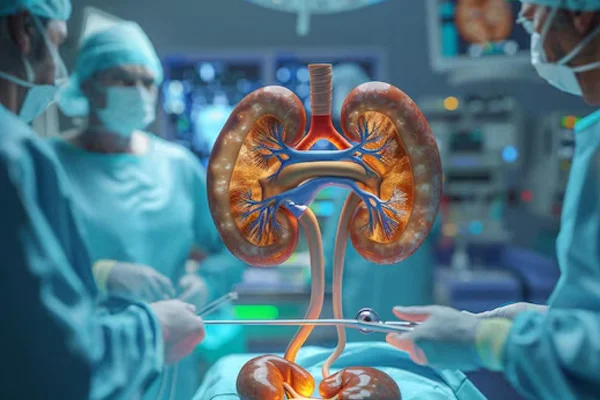
Kidney Transplant in Rajinder Nagar
A kidney transplant is a treatment option for eligible patients with advanced kidney disease or kidney failure. It involves placing a healthy kidney from a suitable donor into the recipient to help perform essential functions such as filtering waste products, regulating fluid balance and maintaining electrolyte levels. For appropriately selected patients, transplantation may offer greater independence from dialysis and an improved quality of life.
If you are searching for Kidney Transplant in Rajinder Nagar, Dr. Vishwas Gulati provides specialist consultation in nephrology and renal transplantation. A transplant consultation helps patients understand their eligibility, donor assessment, medical preparation, potential risks and the long-term care required after transplantation.
The decision to proceed with a kidney transplant depends on the patient's overall health, kidney function, suitability for surgery, donor availability and individual treatment goals.
What Is a Kidney Transplant?
A kidney transplant is a surgical procedure in which a healthy kidney from a living or deceased donor is placed into a person whose kidneys can no longer function adequately.
The transplanted kidney takes over many functions normally performed by the kidneys, including removing waste products, regulating water and electrolyte balance and supporting blood pressure control. It also contributes to maintaining healthy red blood cell production and bone metabolism.
Transplantation is generally considered for suitable patients with advanced chronic kidney disease or kidney failure. Some patients undergo transplantation before requiring long-term dialysis, while others are evaluated after starting dialysis.
A transplant is not a complete cure for the underlying tendency to develop kidney disease. The transplanted kidney requires ongoing medical supervision, and recipients generally need lifelong immunosuppressive medication.
Who May Need a Kidney Transplant?
Kidney transplantation may be considered when kidney function has declined substantially and kidney replacement therapy is expected to be necessary or is already required.
Common conditions that may lead to kidney failure include:
· Diabetic kidney disease
· Long-standing uncontrolled hypertension
· Chronic glomerular diseases
· Inherited kidney disorders
· Certain structural abnormalities affecting the kidneys
· Progressive chronic kidney disease from other causes
Not everyone with chronic kidney disease requires a transplant. The decision depends on the stage and progression of kidney disease, associated medical conditions and the available treatment options.
Types of Kidney Transplant
There are two main sources of kidneys for transplantation.
1. Living Donor Kidney Transplant
A living donor transplant involves receiving a kidney from a suitable living donor. The donor may be a relative or another legally permitted donor, subject to applicable regulations and medical assessment.
Living donor transplantation can allow the transplant team to plan the procedure in advance, depending on donor availability and recipient readiness.
Potential donors undergo detailed medical and psychological evaluation to ensure donation is appropriate and that their long-term health is protected.
2. Deceased Donor Kidney Transplant
A deceased donor transplant involves receiving a kidney from a person who has died and whose organs can be donated under the applicable consent and legal framework.
Allocation depends on the relevant transplant system, compatibility, clinical factors and waiting-list procedures. Waiting times vary according to organ availability and individual circumstances.
Both types of transplantation require compatibility assessment, recipient preparation and long-term follow-up.
Kidney Transplant Evaluation and Compatibility
Before transplantation, the recipient and potential donor undergo a detailed evaluation. This process helps determine whether transplantation is appropriate and reduces avoidable risks.
Blood Group Compatibility
Blood group testing is an important part of the initial assessment. Depending on the transplant programme and clinical circumstances, selected patients may also be considered for specialist protocols involving incompatible blood groups.
Tissue Matching
Human leukocyte antigen (HLA) testing helps assess tissue compatibility between donor and recipient. The degree of matching is one of several factors considered during transplant evaluation.
Crossmatch Testing
A crossmatch test checks whether the recipient has antibodies that react against the donor's cells. A positive crossmatch may indicate an increased risk of rejection and requires specialist assessment.
Recipient Health Assessment
The recipient may undergo blood tests, heart evaluation, infection screening, imaging and other investigations based on medical history. Conditions that could affect surgical safety or transplant outcomes must be identified and addressed.
Donor Evaluation
Potential living donors undergo kidney function testing, blood pressure assessment, imaging and screening for relevant medical conditions. The evaluation also considers whether donation could create unacceptable long-term health risks for the donor.
Kidney Transplant Treatment in Rajinder Nagar
Kidney transplant care involves several stages, from initial consultation and evaluation to surgery and lifelong follow-up. Each stage requires coordination between the nephrologist, transplant surgeon and wider clinical team.
1. Pre-Transplant Consultation
The initial consultation reviews kidney function, the cause of kidney failure, previous treatments and associated medical conditions. The doctor explains whether transplant evaluation is appropriate and what additional assessments may be required.
2. Medical Preparation
Before transplantation, the medical team evaluates and manages conditions such as hypertension, diabetes, cardiovascular disease and existing infections. Patients may also receive guidance regarding nutrition, vaccination and medication management.
3. Transplant Procedure
During kidney transplant surgery, the donor kidney is usually placed in the lower abdomen. Its blood vessels are connected to the recipient's blood vessels, and the ureter is connected to the urinary bladder.
The recipient's own kidneys are generally left in place unless there is a specific medical reason to remove them. The procedure is performed by a qualified transplant surgical team.
4. Hospital Recovery
After surgery, the transplant team closely monitors kidney function, urine output, fluid balance, blood pressure and signs of complications. The length of hospital stay varies according to recovery and the patient's medical condition.
5. Immunosuppressive Medication
Recipients usually need medicines that suppress the immune system to reduce the risk of the body rejecting the transplanted kidney. These medicines require careful monitoring because they can increase infection risk and cause other side effects.
Patients should never stop or change transplant medication without instructions from their transplant team.
6. Long-Term Monitoring
Regular follow-up includes blood tests, medication review, blood pressure monitoring and assessment of kidney function. Additional investigations may be needed if there are signs of rejection, infection or another complication.
Risks and Possible Complications of Kidney Transplant
Kidney transplantation can offer important benefits, but it also involves potential risks. These vary according to the recipient's health, donor factors and response to treatment.
Possible complications include:
· Surgical bleeding or infection
· Delayed function of the transplanted kidney
· Acute or chronic rejection
· Urinary tract or other infections
· Side effects of immunosuppressive medicines
· High blood pressure or diabetes after transplantation
· Cardiovascular complications
Some complications can be treated successfully when identified early. Patients should promptly report fever, reduced urine output, pain around the transplant area, unusual swelling or a sudden change in general health.
Life After a Kidney Transplant
Recovery continues after discharge from the hospital. Patients need to follow the transplant team's instructions and attend scheduled appointments.
Important aspects of post-transplant care include:
· Taking prescribed immunosuppressive medicines consistently
· Attending regular blood tests and clinical reviews
· Maintaining appropriate blood pressure and blood glucose levels
· Following food safety and infection-prevention guidance
· Maintaining a balanced diet and suitable physical activity
· Avoiding unapproved medicines and supplements
· Reporting possible side effects or symptoms promptly
The transplanted kidney's lifespan varies. Consistent medication use, monitoring and management of associated health conditions can help support long-term graft function.
Why Consult Dr. Vishwas Gulati in Rajinder Nagar?
Dr. Vishwas Gulati is a Consultant in Nephrology and Renal Transplantation at BLK-Max Super Speciality Hospital, Delhi, with over 17 years of experience.
A specialist consultation can help patients understand kidney transplant eligibility, compatibility testing, pre-transplant preparation and the importance of long-term follow-up. Patients already living with a transplant may also need regular nephrology care to monitor kidney function, review medication and identify possible complications.
Transplant decisions should be made after a comprehensive medical evaluation and discussion of the benefits, risks and available alternatives.
Frequently Asked Questions
1. Who is eligible for a kidney transplant?
Patients with advanced kidney disease or kidney failure may be considered if they are medically suitable for surgery and long-term immunosuppressive treatment. Eligibility is determined through a comprehensive transplant assessment.
2. Can a kidney transplant be performed before dialysis?
Yes. Some suitable patients can undergo pre-emptive kidney transplantation before starting dialysis. Early referral allows time for medical evaluation and donor assessment.
3. How long does a transplanted kidney last?
The lifespan varies depending on donor factors, recipient health, rejection episodes, medication adherence and other medical conditions. Regular monitoring helps support the long-term function of the transplanted kidney.
4. Will I need medicines after a kidney transplant?
Yes. Most recipients need lifelong immunosuppressive medication to reduce the risk of rejection. Regular monitoring is necessary to balance the effectiveness of treatment against potential side effects.
5. Can a living relative donate a kidney?
A suitable living relative may be able to donate after detailed medical evaluation and completion of the applicable legal and ethical requirements. Compatibility and donor safety must be assessed carefully.
6. When should I consult a nephrologist about kidney transplantation?
Consider a consultation when kidney function is declining significantly, kidney failure is approaching or dialysis has begun. Early evaluation can help determine suitable treatment options and allow time for transplant preparation.
Conclusion
Kidney transplantation can be an effective treatment for eligible patients with advanced kidney disease or kidney failure. Careful donor and recipient evaluation, appropriate surgical management, consistent medication use and lifelong monitoring are essential for successful long-term care. For Kidney Transplant in Rajinder Nagar, consult Dr. Vishwas Gulati for specialist guidance on transplant assessment and kidney health management.


