

Tunneled HD Catheters
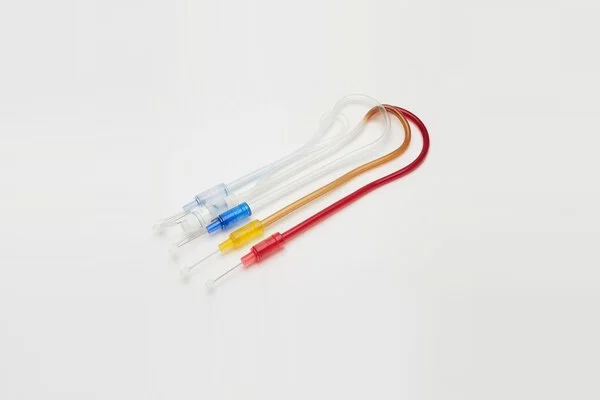
Tunneled HD Catheters in Rajinder Nagar
Tunneled haemodialysis (HD) catheters are specialised medical devices used to provide vascular access for patients who require haemodialysis. They allow blood to travel from the body to a dialysis machine for filtration and return to the circulation after waste products and excess fluid have been removed. These catheters are commonly considered when dialysis needs to continue over an extended period and a suitable arteriovenous fistula or graft is not available or cannot be used.
If you are looking for Tunneled HD Catheters in Rajinder Nagar, Dr. Vishwas Gulati provides specialist consultation in nephrology and renal transplantation. Evaluation can help determine whether a tunneled catheter is appropriate, how it compares with other dialysis access options and what precautions are needed to reduce complications.
The choice of vascular access depends on the urgency of dialysis, expected treatment duration, blood vessel condition, medical history and individual treatment requirements.
What Is a Tunneled Haemodialysis Catheter?
A tunneled HD catheter is a flexible tube inserted into a large vein to provide access for haemodialysis. It is generally placed in a central vein, commonly through the neck region, with the catheter extending beneath the skin before entering the vein.
The portion beneath the skin contains a cuff that helps secure the catheter as tissue grows around it. This design also helps create a barrier against the movement of microorganisms along the catheter tract.
Most tunneled dialysis catheters have two channels. One carries blood from the body to the dialysis machine, while the other returns filtered blood to the patient.
Unlike a temporary non-tunneled catheter, a tunneled catheter is designed for longer-term use when clinically appropriate. However, it still carries risks of infection, clotting and malfunction, and it requires careful maintenance.
Who May Need a Tunneled HD Catheter?
A tunneled haemodialysis catheter may be recommended for patients who need reliable dialysis access but do not have a suitable functioning fistula or graft.
Common situations include:
- Patients requiring ongoing haemodialysis while a permanent access is being planned or maturing.
- Patients whose existing arteriovenous fistula or graft cannot currently be used.
- Patients with limited suitable blood vessels for other forms of vascular access.
- Selected patients awaiting kidney transplantation or another definitive treatment.
- Patients who require longer-term catheter access for clinical reasons determined by the nephrology team.
For patients who need emergency dialysis, a non-tunneled catheter may sometimes be used initially. A tunneled catheter may be considered when dialysis is expected to continue and the patient is clinically suitable for the procedure.
Types and Placement Sites of Dialysis Catheters
The type and insertion site are selected according to the patient's anatomy, previous vascular access, infection risk and future dialysis needs.
1. Internal Jugular Vein Access
The internal jugular vein in the neck is commonly preferred for tunneled haemodialysis catheter placement. It provides access to the central venous circulation and may help preserve other veins for future dialysis access.
Ultrasound guidance is commonly used during venous puncture to improve placement accuracy and reduce procedural complications.
2. Femoral Vein Access
Femoral venous access in the groin may be considered in selected circumstances when other access routes are unsuitable. It is generally less desirable for long-term dialysis access because of considerations such as infection risk, mobility and catheter care.
3. Other Central Venous Routes
Alternative routes may occasionally be considered when conventional access sites are unavailable or obstructed. These cases require specialist assessment and appropriate imaging or procedural planning.
The most suitable approach is determined individually rather than using the same access site for every patient.
Tunneled HD Catheter Insertion Procedure
Tunneled haemodialysis catheter insertion is a specialist procedure that requires appropriate training, sterile technique and suitable clinical facilities.
1. Pre-Procedure Assessment
The medical team reviews the patient's medical history, previous vascular access, current medicines, bleeding risk and any evidence of infection. Blood tests and imaging may be required according to the patient's condition.
The proposed insertion site is selected after considering the patient's dialysis requirements and future vascular access plans.
2. Preparation and Anaesthesia
The procedure is generally performed using local anaesthesia with sterile precautions. Sedation may be considered in selected cases according to clinical needs and procedural arrangements.
The skin is cleaned, and sterile equipment is used to minimise the risk of infection.
3. Venous Access and Catheter Placement
The selected vein is accessed, commonly under ultrasound guidance. The catheter is then positioned so that its tip reaches the appropriate central venous location.
A subcutaneous tunnel is created beneath the skin, and the catheter is brought through this tunnel before being secured in place.
4. Position Confirmation
The medical team confirms the catheter's position and assesses whether it can provide adequate blood flow. Imaging or other confirmation methods may be used according to the insertion technique and clinical protocol.
5. Catheter Function Assessment
The catheter is checked to ensure that both channels function appropriately. If the placement is satisfactory and there are no immediate complications, the catheter may be used for dialysis according to the treating team's instructions.
Benefits of Tunneled HD Catheters
Tunneled dialysis catheters can provide several practical advantages in selected patients.
- Timely dialysis access: They can provide a route for haemodialysis when another suitable access is unavailable.
- Longer-term use: They are designed for ongoing use when clinically indicated.
- No maturation period: Unlike an arteriovenous fistula, a tunneled catheter does not require weeks or months to mature before use.
- Avoidance of repeated needle insertion: Dialysis can be performed through the catheter rather than inserting needles into a fistula or graft for each session.
- Alternative access option: They may be useful for patients with limited vascular access options.
Despite these benefits, a catheter is not generally the preferred permanent access for every haemodialysis patient. An arteriovenous fistula or graft may offer advantages for suitable patients, and access planning should consider long-term needs.
Risks and Possible Complications
Tunneled HD catheters are useful but can develop complications that require prompt assessment.
Catheter-Related Infection
Infection can affect the catheter exit site, tunnel or bloodstream. Symptoms may include fever, chills, redness, tenderness or discharge near the catheter.
Bloodstream infection can become serious and requires urgent medical evaluation.
Blood Clots and Catheter Blockage
Clot formation or other obstruction can reduce blood flow and interfere with dialysis. The treating team may assess catheter function and determine whether specific interventions are needed.
Catheter Displacement
Movement or displacement can affect catheter performance and may create safety risks. A catheter that appears to have moved or has become damaged should be assessed before further use.
Bleeding or Vascular Injury
Bleeding, bruising or vascular injury may occur during insertion, particularly in patients with certain medical conditions or bleeding risks.
Central Vein Narrowing
Prolonged use of central venous catheters can contribute to central venous stenosis, which may affect future dialysis access and cause swelling in the affected region.
Early recognition of complications helps the medical team provide appropriate treatment and protect future access options.
Tunneled HD Catheter Care and Maintenance
Proper catheter care is essential for reducing infection and maintaining reliable dialysis access.
Patients should follow the dialysis team's instructions and observe the following precautions:
- Keep the catheter dressing clean, dry and intact.
- Avoid touching the catheter or its connections unnecessarily.
- Never attempt to flush, reposition or repair the catheter independently.
- Ensure that dressing changes and catheter handling are performed by trained healthcare professionals.
- Avoid swimming or soaking the catheter site unless the treating team specifically confirms that it is safe.
- Report fever, chills, redness, discharge, pain or swelling promptly.
- Seek immediate medical assessment if the catheter is pulled out, damaged or begins bleeding significantly.
Catheter-related problems should not be ignored, even if the patient initially feels well.
Why Consult Dr. Vishwas Gulati in Rajinder Nagar?
Dr. Vishwas Gulati is a Consultant in Nephrology and Renal Transplantation at BLK-Max Super Speciality Hospital, Delhi, with over 17 years of experience.
A specialist consultation can help determine the most appropriate dialysis access for a patient's clinical condition and treatment goals. Assessment may include reviewing dialysis requirements, evaluating existing vascular access, discussing the role of tunneled catheters and planning follow-up to identify complications.
Patients already using a dialysis catheter may also require periodic review of catheter function, infection prevention and longer-term access options.
Frequently Asked Questions
1. What is a tunneled HD catheter used for?
A tunneled haemodialysis catheter provides vascular access for removing and returning blood during dialysis. It is often used when ongoing dialysis is required and a suitable functioning fistula or graft is unavailable.
2. How long can a tunneled dialysis catheter remain in place?
A tunneled catheter may remain in place for weeks, months or longer when necessary. Its duration depends on function, infection risk, the patient's treatment needs and whether another suitable access becomes available.
3. Is tunneled HD catheter insertion painful?
Local anaesthesia is generally used to reduce pain during insertion. Some soreness or discomfort may occur afterward, but persistent or worsening pain requires medical assessment.
4. Can dialysis start immediately after catheter insertion?
In many cases, a tunneled catheter can be used soon after placement once its position and function have been confirmed and the treating team considers it safe. The exact timing depends on the clinical circumstances and procedural protocol.
5. What is the difference between a tunneled catheter and an AV fistula?
A tunneled catheter is a tube placed into a central vein, whereas an AV fistula is surgically created by connecting an artery to a vein. A fistula generally has a lower infection risk and is often preferred for suitable patients needing long-term haemodialysis.
6. When should I seek medical help for a dialysis catheter?
Seek urgent medical advice for fever, chills, redness, discharge, catheter malfunction or new swelling. Significant bleeding, catheter displacement or breathing difficulties require immediate assessment.
Conclusion
Tunneled haemodialysis catheters provide an important vascular access option for patients who require ongoing dialysis and cannot use a suitable fistula or graft. Careful placement, infection prevention and regular monitoring are essential for safe use. For Tunneled HD Catheters in Rajinder Nagar, consult Dr. Vishwas Gulati for specialist guidance on dialysis access and kidney care.


