

Kidney Stone
Kidney Stone Treatment in Rajinder Nagar
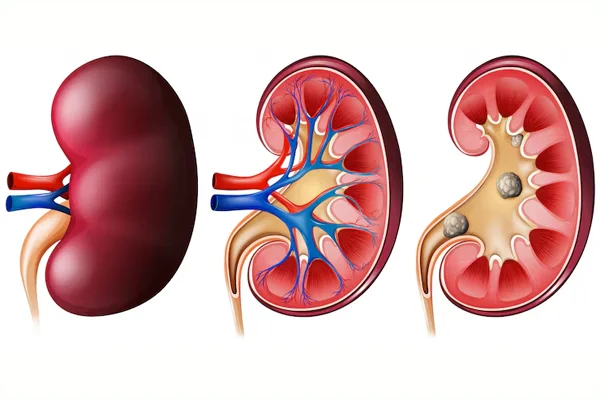
Kidney stones are hard deposits formed from minerals and salts that accumulate inside the kidneys. They can vary in size, from tiny crystals that pass unnoticed to larger stones that obstruct the urinary tract and cause significant pain. Depending on their location, size and composition, kidney stones may lead to discomfort, blood in the urine, urinary symptoms or complications such as infection and impaired kidney function.
If you are looking for Kidney Stone Treatment in Rajinder Nagar, Dr. Vishwas Gulati provides specialist consultation in nephrology and renal transplantation. A medical evaluation can help identify the type of stone, assess kidney function, determine contributing risk factors and guide appropriate treatment or referral for urological intervention when required.
Early assessment is particularly important when stones cause urinary obstruction, infection or problems affecting kidney function.
What Are Kidney Stones?
Kidney stones, also known as renal calculi, develop when certain substances in urine become concentrated and form crystals. These crystals may gradually combine to create hard deposits within the kidneys or urinary tract.
Stones can remain inside the kidney without causing symptoms. Problems often occur when a stone moves into the ureter, the narrow tube connecting the kidney to the bladder. A stone may obstruct urine flow and cause sudden, severe pain.
The appropriate treatment depends on several factors, including stone size, location, composition, symptoms, infection risk and the condition of the affected kidney.
Types of Kidney Stones
Understanding the type of kidney stone helps guide treatment and prevention.
1. Calcium Stones
Calcium oxalate stones are among the most common types. They may develop when urine contains high concentrations of calcium and oxalate or when protective substances in urine are insufficient. Calcium phosphate stones also occur in some patients.
2. Uric Acid Stones
Uric acid stones may form when urine remains persistently acidic or contains excessive uric acid. Factors such as dehydration, certain dietary patterns, gout and metabolic conditions can increase the risk.
3. Struvite Stones
Struvite stones are associated with particular urinary tract infections. They may grow rapidly and sometimes develop into large stones that occupy substantial portions of the kidney.
4. Cystine Stones
Cystine stones develop in people with cystinuria, an inherited condition that causes excessive cystine excretion in the urine. These stones can recur and may require long-term specialist management.
Common Symptoms of Kidney Stones
Symptoms depend on the size and location of the stone and whether it obstructs urine flow.
Common symptoms include:
· Severe pain in the side, back or below the ribs
· Pain that radiates towards the lower abdomen or groin
· Blood in the urine
· Nausea or vomiting
· Pain or burning during urination
· Frequent urge to urinate
· Difficulty passing urine when obstruction is present
Small stones may pass without noticeable symptoms. Larger stones can cause significant discomfort or obstruct urine flow.
Seek urgent medical attention if kidney stone symptoms occur with fever, chills, inability to pass urine, persistent vomiting or severe uncontrolled pain. An infected, obstructed kidney can be a medical emergency.
Causes and Risk Factors for Kidney Stones
Kidney stones can develop due to a combination of dietary, metabolic, genetic and medical factors.
Dehydration
Inadequate fluid intake can make urine more concentrated, increasing the likelihood that minerals and salts will form crystals.
Dietary Factors
High sodium intake, excessive consumption of certain animal proteins and particular dietary patterns may contribute to stone formation in susceptible individuals. The relevant dietary factors depend on the stone type.
Family History
A family history of kidney stones can increase an individual's risk, and some inherited conditions are associated with recurrent stone formation.
Metabolic Conditions
Conditions affecting calcium, uric acid or other substances in the urine may increase stone risk. Obesity, gout and certain metabolic disorders can also contribute.
Previous Kidney Stones
People who have experienced kidney stones previously may be more likely to develop them again, particularly if the underlying risk factors remain untreated.
Diagnosis of Kidney Stones
Accurate diagnosis helps determine the size and location of the stone, assess obstruction and identify possible complications.
Urine Tests
Urine testing can identify blood, signs of infection, crystals and other abnormalities. Urine culture may be recommended when infection is suspected.
Blood Tests
Blood tests may assess kidney function, calcium, uric acid and electrolyte levels. Additional investigations may be necessary when recurrent stones suggest an underlying metabolic condition.
Ultrasound
Ultrasound can identify many kidney stones and detect signs of urinary obstruction. It avoids radiation exposure and may be particularly useful in selected patients.
CT Scan
A non-contrast CT scan is often used when detailed information about stone size, location and obstruction is required. The decision to perform imaging depends on the clinical situation.
Stone Analysis and Metabolic Evaluation
If a stone is passed or removed, laboratory analysis can identify its composition. Patients with recurrent, multiple or high-risk stones may benefit from a more detailed metabolic assessment, which can include a 24-hour urine test.
Kidney Stone Treatment in Rajinder Nagar
Treatment is selected according to the stone's characteristics, symptoms, kidney function and presence of complications. Not every kidney stone requires surgery.
1. Observation and Medical Management
Small stones that are likely to pass naturally may be managed with observation, appropriate pain relief and follow-up. Some patients may be prescribed medicines to facilitate stone passage, depending on the stone's location and clinical circumstances.
2. Hydration and Fluid Management
Adequate fluid intake can help prevent concentrated urine and reduce the risk of future stones. However, forcing large amounts of fluid during an acute obstruction is not a substitute for treatment and may worsen discomfort in some circumstances.
Patients with advanced kidney disease, heart failure or fluid restrictions should follow their doctor's advice regarding fluid intake.
3. Medicines for Selected Stone Types
Certain medicines can help prevent recurrence or dissolve particular stones under appropriate conditions. For example, uric acid stones may sometimes be dissolved by carefully monitored urine alkalinisation. The treatment depends on stone composition and urine characteristics.
4. Extracorporeal Shock Wave Lithotripsy
Shock wave lithotripsy uses externally generated shock waves to break selected stones into smaller fragments that can pass through the urinary tract. Its suitability depends on factors such as stone size, location and composition.
5. Ureteroscopy
Ureteroscopy involves passing a small instrument through the urinary tract to locate and treat a stone. Laser energy may be used to fragment stones in the ureter or kidney.
6. Percutaneous Nephrolithotomy
Percutaneous nephrolithotomy involves accessing the kidney through a small incision in the back to remove larger or complex stones. It is generally considered for selected stones that are unlikely to be treated effectively using less invasive methods.
These procedures are usually managed by a urologist. A nephrologist may contribute to the assessment of kidney function, metabolic risk factors and long-term stone prevention.
7. Urgent Treatment for Obstruction and Infection
When a stone causes urinary obstruction accompanied by infection, urgent drainage and appropriate antibiotic treatment may be required. Definitive stone removal is generally planned after the infection has been controlled.
Preventing Recurrent Kidney Stones
Preventive care is important because kidney stones can recur. Recommendations should be based on the stone type, medical history and metabolic assessment.
· Maintain appropriate fluid intake unless medically restricted.
· Reduce excessive dietary sodium.
· Maintain normal dietary calcium intake unless advised otherwise.
· Moderate animal protein intake when appropriate.
· Follow specific dietary advice for the identified stone type.
· Manage conditions such as gout and other metabolic disorders.
· Attend follow-up appointments and complete recommended urine or blood tests.
Avoid eliminating entire food groups without medical guidance. For example, unnecessarily restricting dietary calcium may increase the risk of some calcium oxalate stones.
Why Consult Dr. Vishwas Gulati in Rajinder Nagar?
Dr. Vishwas Gulati is a Consultant in Nephrology and Renal Transplantation at BLK-Max Super Speciality Hospital, Delhi, with over 17 years of experience.
A nephrology consultation can help evaluate kidney function, review imaging and laboratory reports, investigate recurrent stone formation and identify metabolic factors that may contribute to future stones.
When a stone requires a procedure or urgent relief of obstruction, coordination with a urologist may be necessary. Individualised prevention strategies can help reduce recurrence and protect long-term kidney health.
Frequently Asked Questions
1. Can kidney stones pass naturally?
Yes. Some small stones pass naturally without a procedure. The likelihood depends on their size, location and the patient's clinical condition. Follow-up is important to ensure that obstruction has resolved.
2. What is the best treatment for kidney stones?
Treatment depends on the stone's size, location, composition and complications. Options include observation, selected medicines, shock wave lithotripsy, ureteroscopy and percutaneous stone removal.
3. Are kidney stones dangerous?
Many stones are manageable, but stones that cause persistent obstruction, infection or impaired kidney function can be serious. Fever with suspected obstruction or inability to pass urine requires urgent medical evaluation.
4. Can drinking water prevent kidney stones?
Adequate fluid intake can reduce urine concentration and help prevent many types of stones. The recommended amount varies according to stone risk, climate, activity level and other medical conditions.
5. Why do kidney stones keep coming back?
Recurrence may be related to dehydration, dietary factors, inherited conditions, metabolic abnormalities or an underlying medical disorder. Stone analysis and metabolic evaluation can help identify preventive measures.
6. When should I consult a kidney specialist in Rajinder Nagar?
Consider specialist consultation if you have recurrent stones, abnormal kidney function tests, blood in the urine or a history of metabolic stone disease. Severe pain with fever, vomiting or reduced urine output requires urgent medical assessment.
Conclusion
Kidney stones can range from small deposits that pass naturally to complex stones requiring specialist intervention. Timely diagnosis, appropriate treatment and personalised preventive measures can help reduce complications and recurrence. For Kidney Stone Treatment in Rajinder Nagar, consult Dr. Vishwas Gulati for kidney assessment and guidance on long-term renal health.


